info@destratair.co.uk
Latest news
Destratair is now a CIBSE approved CPD course provider. The Carbon Trust has rated thermal destratification as one of the top carbon reducing initiatives for any type of
building and a recent white paper concluded that Destratification is the missing link in the HVAC puzzle. This CPD
presentation aims to give an insight into how Destratification can be integrated into your schemes and help improve
system energy efficiency and comfort. The CPD presentation takes approximately 1 hour but can be tailored to your
requirements. Contact us to book a seminar in your offices.
Bespoke design solutions
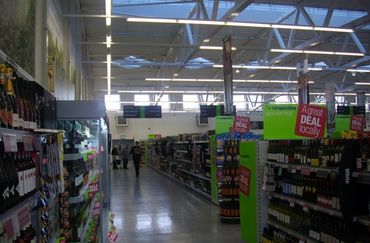
We look at every scheme carefully to ensure that you have the most suitable solution for your site. Our aim is to help minimise emitter quantities and distribution pipework/ductwork as well as providing a unique solution to destratification.We will work with you from initial design concept through to installation and can also provide commissioning services.
Learn more
Have a look at a few of our past jobs.
Product range
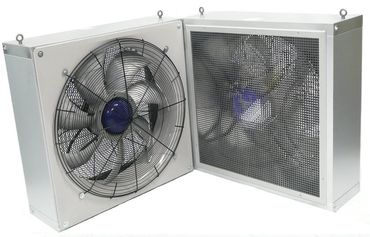
Regardless of whether you are looking at a church where visuals and noise levels are paramount or vast warehouses Destratair have the right products. We can provide ideal solutions not only for destratification but for the total air distribution as the Destratair fan uniquely becomes the prime air mover.
Browse our product range .

Expert, reliable service
Our highly qualified team is happy to assist you with any needs you may have. We call on Architects, consulting engineers, contractors and end users all over the UK.
Learn more
CPD Seminars now available


Contact
Where to find us:
23 Springwell Drive, Sheffield, S20 1XA, UNITED KINGDOM
0330 2232507
info@destratair.co.uk
Copyright © All Rights Reserved.
